How to Measure Windows for Curtains and Blinds in Singapore: DIY Guide

Key Takeaways
- Always use a steel tape measure — fabric tapes stretch and give inaccurate readings.
- Measure width at three points (top, middle, bottom) and use the smallest measurement for blinds.
- Add 10-15cm on each side for curtains to ensure proper coverage and light blocking.
- HDB windows have standard sizes — but always measure, as variations exist between flat types.
- Double-check all measurements before ordering — mistakes mean costly re-dos.
Introduction
Accurate window measurements are the foundation of any successful curtain or blind installation. In Singapore, where HDB flats and condos come with standardized window dimensions, many homeowners assume measuring is straightforward. However, variations between flat types, window frames, and renovation choices mean that taking proper measurements can make the difference between a perfect fit and an expensive mistake.
Whether you're planning to install curtains, roller blinds, Korean blinds, or venetian blinds, this guide walks you through the exact steps to measure your windows correctly. We'll also cover common pitfalls and specific considerations for Singapore homes.
Tools You Need
Before you start, gather these essential tools:
- Steel tape measure — At least 5 metres long. Avoid fabric tapes, which stretch over time and give inaccurate readings.
- Pencil and paper — To record measurements clearly. A simple sketch of each window helps keep track.
- Ladder or step stool — For reaching the top of windows safely. Many HDB windows are positioned high on the wall.
- Helper (optional but recommended) — One person measures while another records to avoid mistakes.
Pro Tip
Measure in millimetres. Curtain and blind suppliers in Singapore work in millimetres, so converting from inches increases the chance of errors.
How to Measure for Curtains
Step 1: Decide on Curtain Track or Rod Position
Before measuring, determine where your curtain track or rod will be installed:
- Ceiling mount: Creates the illusion of higher ceilings and is popular in Singapore condos.
- Wall mount above window: The most common method for HDB flats. Typically 10-15cm above the window frame.
Step 2: Measure the Width
For curtains, measure the width of the track or rod, not the window itself:
- Measure the width of the wall space you want the curtains to cover.
- Add 10-15cm on each side to ensure the curtains can stack back fully and block light effectively.
- For a standard window, measure from one end of the rod to the other, including any overlap in the centre.
Step 3: Measure the Height (Drop)
The curtain drop depends on your preference:
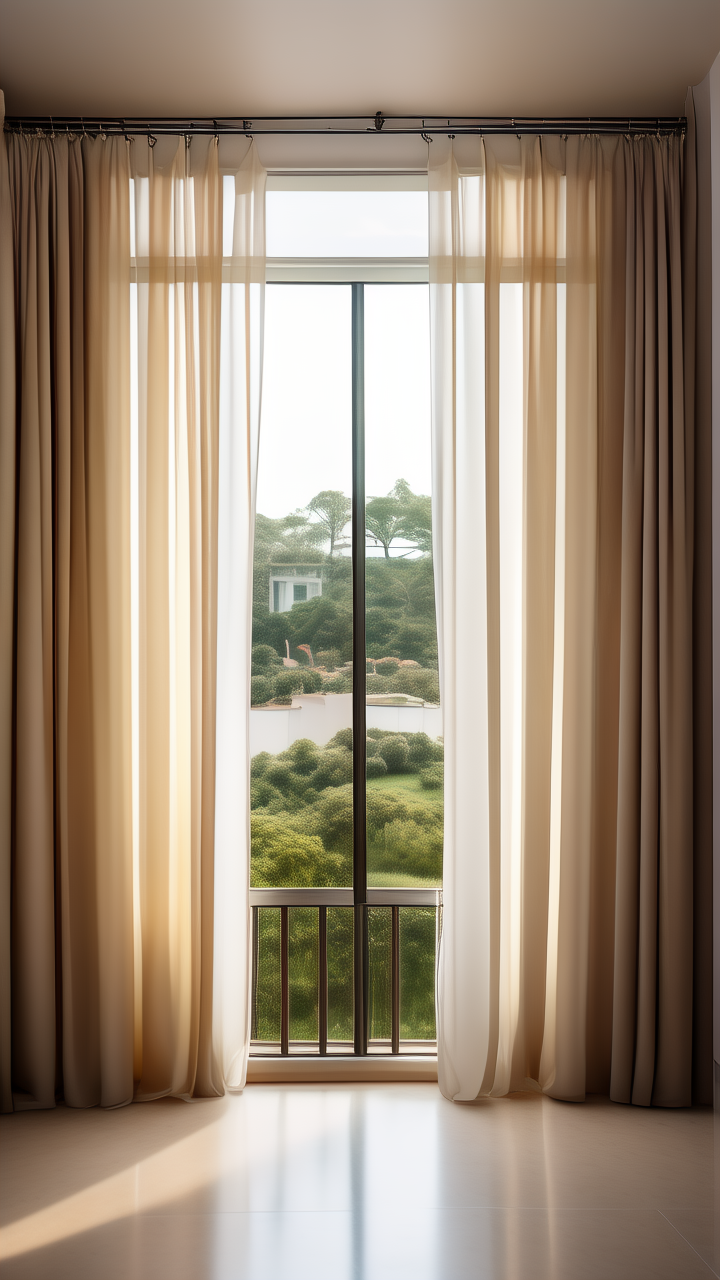
- Floor-length: Measure from the top of the track or rod to the floor. Subtract 1-2cm to prevent dragging.
- Sill-length: Measure from the top of the track to the window sill. Add 2-3cm below the sill for better coverage.
- Below-sill: Measure to 10-15cm below the window sill for a more elegant look.
Step 4: Calculate Fabric Fullness
Curtains need extra fabric to create folds and fullness:
- Standard fullness: Multiply track width by 1.5 for a gathered look.
- Fuller look: Multiply by 2 for more luxurious, deeper folds.
Example: If your track is 200cm wide, you need 300-400cm of fabric width (depending on fullness preference).
How to Measure for Blinds
Blinds require more precise measurements than curtains because they're made to fit the exact window opening.
Inside Mount vs Outside Mount
First, decide how you want the blinds installed:
- Inside mount: Blinds fit inside the window recess. Provides a cleaner, built-in look. Requires at least 5cm depth in the recess.
- Outside mount: Blinds are mounted on the wall above the window. Better for windows with shallow recesses or when you want more light coverage.
For Inside Mount Blinds
- Width: Measure the inside width of the window recess at the top, middle, and bottom. Use the smallest measurement.
- Height: Measure the inside height at the left, centre, and right. Use the longest measurement.
- Depth: Measure how deep the recess is. You need at least 5cm for most blind mechanisms.
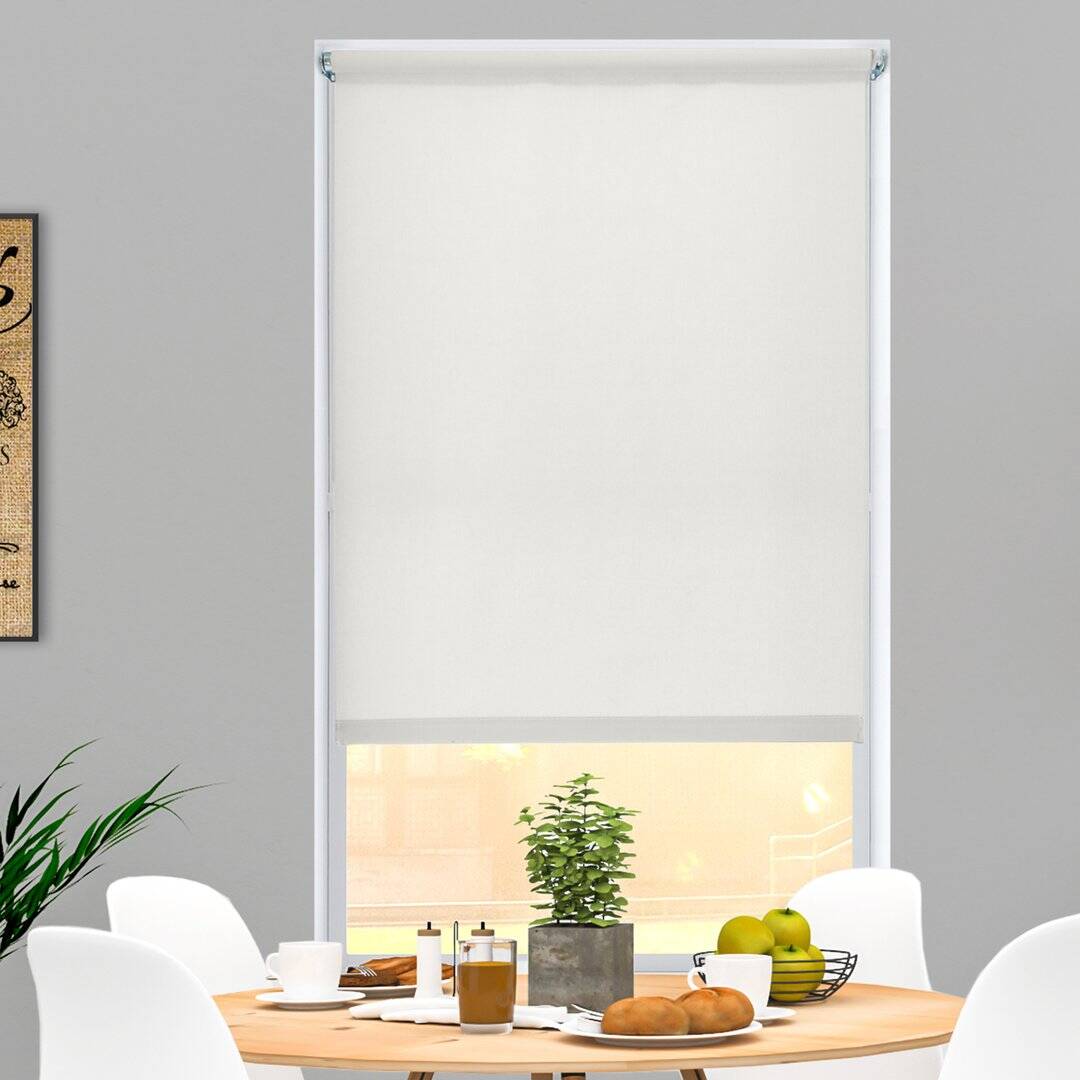
For Outside Mount Blinds
- Width: Measure the window frame width, then add 5-10cm on each side for better light coverage.
- Height: Measure from where you want the blind to start (usually 10cm above the window) to where you want it to end (window sill or below).
Special Consideration: Korean Blinds
Korean blinds (combi blinds) require even more precise measurements because the fabric panels must align correctly. Always measure in multiple places and use the smallest width measurement. For Korean blinds, a 1-2mm difference can affect how the sheer and solid panels align.

HDB vs Condo: Key Differences
HDB Flats
- Most HDB windows have standard sizes, but measure anyway — older flats may have variations.
- Windows are often positioned high on the wall, requiring a ladder for accurate measurement.
- Check for air-conditioner ledge or window restrictor arms that might interfere with curtains.
- Consider ceiling height — standard HDB ceilings are 2.4-2.6m.
Condos
- Floor-to-ceiling windows are common. Measure the full height from ceiling to floor.
- Window frames may be aluminum or uPVC — note the material for bracket installation.
- Some condos have bay windows or curved windows that require custom solutions.
- Check strata rules — some condos have restrictions on external window modifications.
Common Measurement Mistakes to Avoid
- Using a fabric tape measure: These stretch over time. Always use a steel tape.
- Measuring only once: Windows are rarely perfectly square. Measure at multiple points.
- Forgetting about obstructions: Check for handles, locks, air-con units, and curtain pelmets.
- Not accounting for stackback: Curtains need space to fold back. Factor in 15-20% extra width.
- Confusing inside vs outside mount measurements: These require completely different measuring approaches.
- Rounding incorrectly: Always round down for width (blinds) and round up for height.
Conclusion
Measuring your windows accurately saves time, money, and frustration. While the process is straightforward, the details matter — especially for blinds that require millimetre precision. If you're unsure or have complex window configurations, it's worth getting professional help.
At Shade Degree, we offer free on-site measurements across Singapore. Our specialists bring professional tools and experience to ensure your curtains or blinds fit perfectly the first time.
Not Confident Measuring Yourself?
Shade Degree provides free on-site measurement and consultation across Singapore. Let our specialists handle the measuring so you get a perfect fit.
WhatsApp Us