Window Blinds vs Curtains Singapore: Which is Better for Your Home?
Key Takeaways
- Curtains offer better light blocking, softer aesthetics, and are ideal for bedrooms and living rooms where comfort is the priority.
- Blinds provide precise light control, a cleaner look, and work well in kitchens, bathrooms, and smaller spaces.
- Room usage matters more than personal preference — match your choice to what each room needs.
- Many Singapore homeowners combine both — curtains for bedrooms, blinds for kitchens and bathrooms.
- Budget range: Blinds typically cost $150-400 per window; curtains $200-600 depending on fabric and length.
Introduction
Choosing between window blinds and curtains is one of the first decisions many Singapore homeowners face when moving into a new flat or condo. It affects how your rooms look, how much light enters, how private your home feels at night, and even how well you sleep.
In Singapore's tropical climate, strong sunlight and humidity influence which window treatment works best. For HDB flats with standard windows, condos with floor-to-ceiling glass, and landed properties with varied window sizes, the right choice can make a significant difference in daily comfort.
This guide compares blinds and curtains across function, aesthetics, maintenance, and cost — helping you decide based on what each room needs rather than just what looks good in a showroom.
Curtains: Comfort, Elegance, and Better Sleep
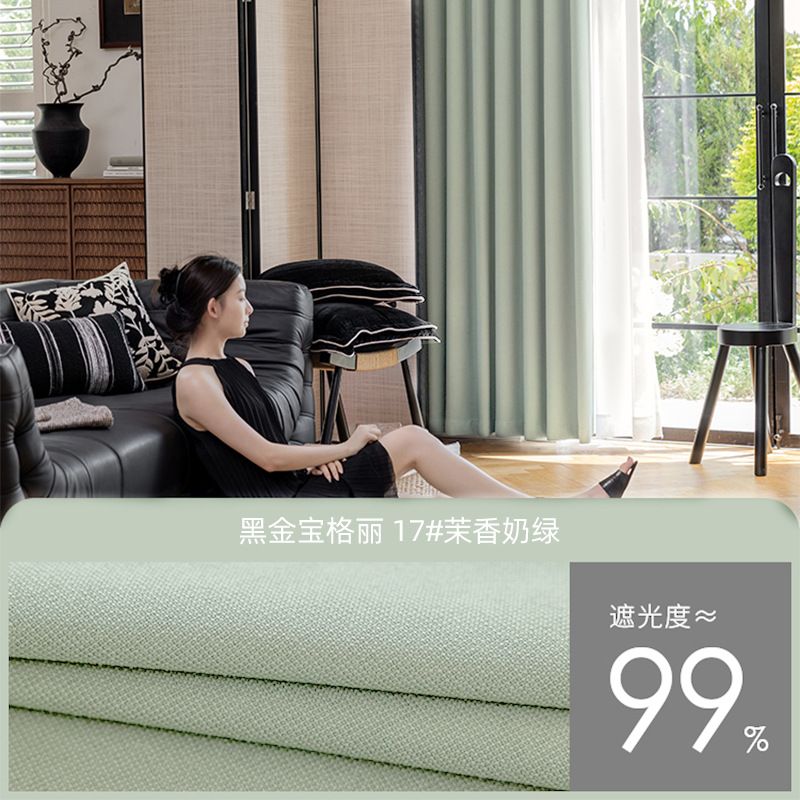
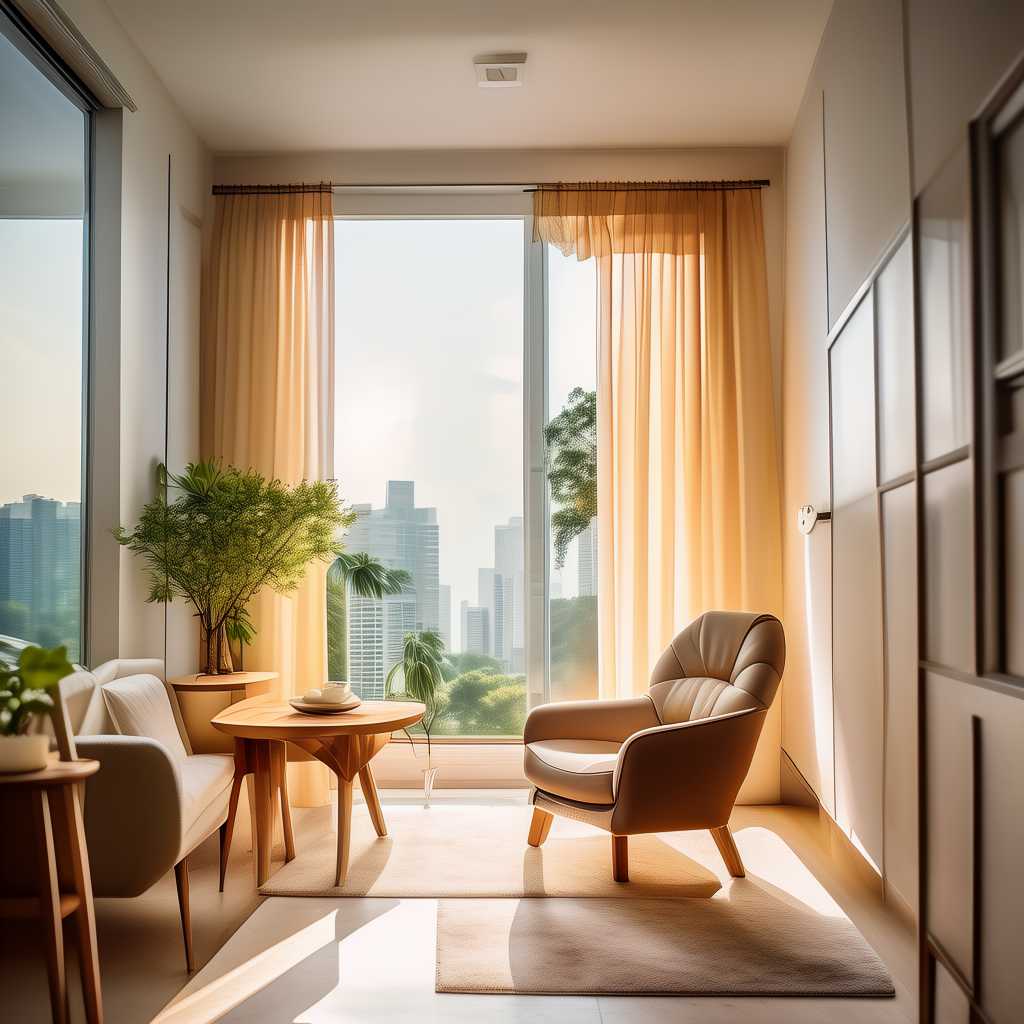
Curtains have been the traditional choice for Singapore homes for decades. They add softness to a room, provide excellent light blocking, and create a more finished, cozy atmosphere.
Benefits of Curtains
Better Light Blocking for Bedrooms
For bedrooms, especially in Singapore where street lights and early sunrise can disturb sleep, blackout curtains are often the best choice. Quality blackout fabrics can block 90-100% of incoming light, creating a dark environment ideal for rest.
Softer, More Inviting Aesthetics
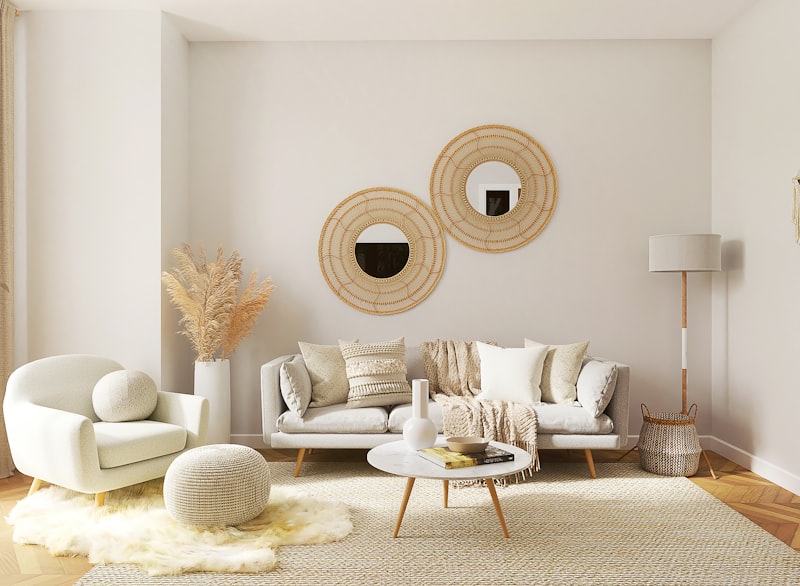
Curtains add texture and warmth to a room. The flowing fabric softens hard architectural lines and makes spaces feel more comfortable. This is particularly valuable in living rooms where you want to create a welcoming atmosphere for family and guests.
Layered Options for Flexibility
Many Singapore homeowners install two layers: day curtains (sheer) for filtered light during the day, and night curtains (blackout) for privacy and darkness at night. This combination offers the best of both worlds.
Better Sound Insulation
Thicker curtain fabrics help absorb sound, reducing noise from outside. This is helpful for homes near busy roads or in dense HDB neighborhoods where neighbours' sounds can travel.
Considerations for Curtains
- Require more space — curtains need room to stack when open
- Fabric can trap dust and requires periodic cleaning
- Heavier curtains may need stronger curtain rods or tracks
- Can look overwhelming in very small rooms
Blinds: Clean Lines and Precise Control
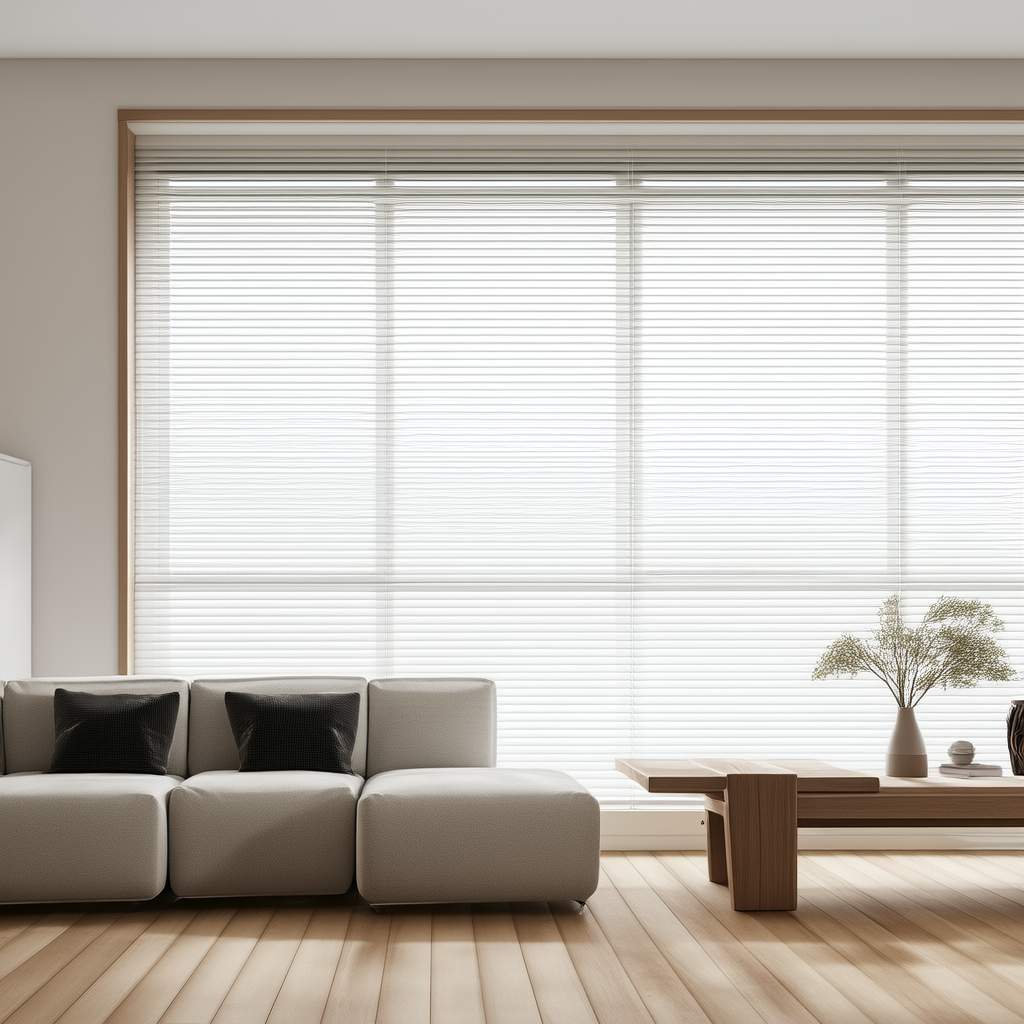
Window blinds have become increasingly popular in modern Singapore homes, especially with the rise of minimalist and Scandinavian interior styles. They offer a cleaner, more structured look and excellent control over light and privacy.
Types of Blinds Popular in Singapore
Roller Blinds
The most common and affordable option. A single piece of fabric rolls up and down. Available in various materials from light-filtering to blackout. Simple, functional, and suitable for most rooms.
Korean Blinds (Korean Combi Blinds)
A premium option featuring two layers of fabric with alternating sheer and solid panels. You can adjust the alignment to control how much light enters. Popular for bedrooms and living rooms where you want both light control and a modern aesthetic.
Venetian Blinds
Horizontal slats made from aluminum, PVC, or wood. Excellent for kitchens and bathrooms where moisture is present. The slats can be tilted to direct light while maintaining privacy.
Benefits of Blinds
- Space-efficient: Blinds take up minimal space, ideal for smaller HDB flats
- Precise light control: Adjust slats or fabric to let in exactly the amount of light you want
- Modern aesthetic: Clean lines complement contemporary interiors
- Easy maintenance: Most blinds can be wiped clean with a damp cloth
- Better for humid areas: PVC and aluminum blinds resist moisture damage
Considerations for Blinds
- May not block light as completely as blackout curtains
- Mechanical parts (chains, cords) can wear over time
- Some types can look "office-like" if not chosen carefully
- Corded blinds require child-safety measures
Comparison Table: Blinds vs Curtains
| Factor | Curtains | Blinds |
|---|---|---|
| Light Control | Excellent (especially blackout) | Good to Excellent (varies by type) |
| Privacy | Excellent when closed | Good (can see through gaps) |
| Aesthetic | Soft, elegant, cozy | Clean, modern, minimal |
| Space Required | More (stacking space) | Minimal |
| Maintenance | Requires washing/dry cleaning | Wipe clean |
| Cost (per window) | $200-600 | $150-400 |
| Best For | Bedrooms, living rooms | Kitchens, bathrooms, studies |
Room-by-Room Guide for Singapore Homes
Bedrooms: Curtains Recommended
For optimal sleep quality, blackout curtains are usually the best choice for bedrooms. They block more light than blinds and create a softer, more relaxing environment. If you prefer a modern look, Korean blinds with blackout fabric can also work well.
Living Rooms: Curtains or Korean Blinds
Living rooms benefit from the warmth curtains provide. Many homeowners choose day curtains paired with night curtains for flexibility. Korean blinds are a popular alternative for those wanting a cleaner, more contemporary look.
Kitchens and Bathrooms: Blinds Recommended
Moisture, steam, and cooking oils make curtains impractical in these spaces. PVC roller blinds or aluminum Venetian blinds are ideal — they resist water damage and can be easily wiped clean.
Home Offices: Either Works
For home offices, the choice depends on your needs. Blinds allow you to control glare on computer screens. Curtains create a softer environment for video calls. Consider the room's orientation and sunlight exposure.
HDB vs Condo Considerations
HDB flats typically have standard-sized windows where both curtains and blinds work well. Space-saving blinds are popular for smaller rooms.
Condos often have floor-to-ceiling windows. Floor-to-ceiling curtains create a luxurious feel, while motorized blinds offer convenience for hard-to-reach windows.
Conclusion: Which Should You Choose?
There's no single answer — the best choice depends on your room's function, your style preference, and your budget. Here's a simple approach:
- Choose curtains for bedrooms and living rooms where comfort, light blocking, and a cozy atmosphere matter most.
- Choose blinds for kitchens, bathrooms, and smaller spaces where practicality and space efficiency are priorities.
- Consider combining both — many Singapore homes use curtains in bedrooms and living areas, with blinds in kitchens and bathrooms.
Still unsure? Book a free consultation with Shade Degree. We'll assess your home, discuss your needs, and recommend the best window treatment solutions for each room.
Need Help Choosing?
Shade Degree provides free on-site consultations across Singapore. Our specialists will help you compare options and find the perfect fit for your home.
WhatsApp Us